


1. Darkrooms are carefully designed
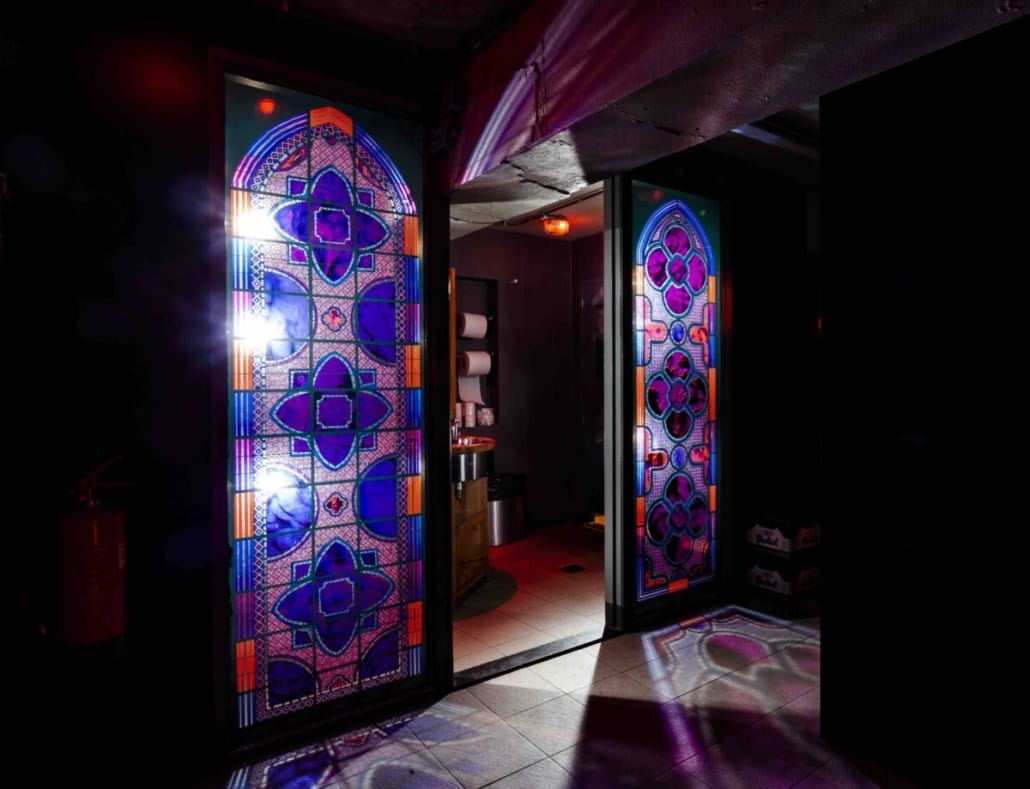
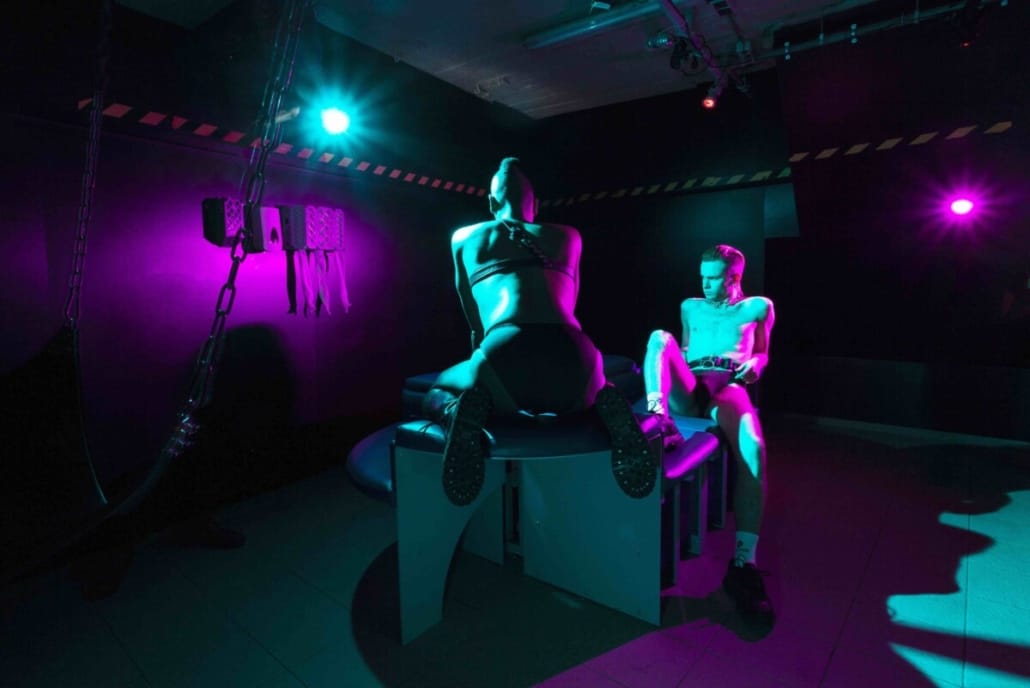
Many assume that a darkroom—a space often found in clubs for anonymous encounters—is simply a pitch-black room. Ho debunks this myth, explaining how these spaces are carefully designed to enhance safety, accessibility, and pleasure. One of his projects was designing the darkroom for Club Church, a renowned Amsterdam nightclub known for its sex-positive ethos. From ergonomics to sound design, even the feeling of a door handle can impact how people navigate these intimate environments. For example redesigning condom holders to make them feel more luxurious, reinforcing the importance of safer sex in a way that feels inviting rather than clinical.

2. The importance of door handles and sanitary stations
One of Ho’s most impactful design changes in Club Church is adding sturdy, well-crafted door handles to darkroom cabins. While this may seem minor, it greatly improves safety, privacy, and user experience. “Previously, people would just swing doors open, sometimes hitting others in the face,” he explains. Another major yet often overlooked aspect of sex-positive spaces is hygiene. Cleanliness isn’t just about health—it’s about desire. Thoughtfully placed sanitary stations with warm lighting and high-quality lube or towels can transform a necessary function into a ritual of care and preparation. By making hygiene feel like an extension of pleasure rather than a cold, clinical afterthought, sex-positive spaces can cultivate a more immersive and sensual atmosphere.

3. The role of scent, lighting, and texture
Sex is not just about touch—it involves all five senses. Ho emphasizes the role of scent, lighting, and texture in creating an atmosphere that enhances intimacy. He describes how he reimagined club spaces with softer materials, luxurious fixtures, and even subtle scent enhancements to make the experience more inviting and sensual. The goal? To ensure that the environment supports the kind of intimacy people seek, whether that means a raw, no-frills atmosphere or something softer and more sensorially engaging.
4. Gender and design preferences
The way men, women and those beyond the binary approach sexuality can influence how spaces and products are designed. Ho points out that many traditional darkrooms cater to gay cis-men, focusing on functionality and efficiency. In contrast, spaces designed for a broader audience often incorporate elements like softer lighting, comfortable seating, and more sensual textures. Understanding these preferences is key to creating inclusive spaces that cater to diverse expressions of sexuality.
5. FLINTA spaces and engagement
The discussion around FLINTA (Female, Lesbian, Intersex, Non-binary, Trans, and Asexual) spaces highlights the evolving needs of diverse communities. While the demand for inclusive spaces exists, execution can be tricky. Some FLINTA spaces struggle with engagement, possibly because these communities experience and express sexuality differently from the traditional gay male cruising scene. The challenge is creating environments that align with these unique dynamics, rather than mirroring existing models.
Final thoughts
As Jonathan Ho’s work shows, intentional, well-thought-out design has the power to transform our sexual experiences, making them safer, more pleasurable, and more inclusive. Whether you're a designer, a club owner, or simply someone looking to enhance your intimate spaces, there’s much to learn from applying a design mindset to sexuality. So next time you step into a club or even set up your bedroom, ask yourself: how does design influence my pleasure? Because chances are, it already does! Pictures by Abel Minnee